Huwebes, Oktubre 19, 2017

Dog Trained By CIA Decides That Sniffing Bombs Just Isn’t Her Thing

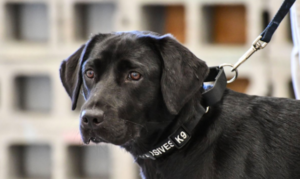
Lulu is a black Lab who in the process of being trained as a CIA bomb sniffing dog. That is, until she decided that scouting out explosives just wasn’t her thing!

“A few weeks into training, Lulu began to show signs that she wasn’t interested in detecting explosive odors,” reported the CIA blog.

At first, they thought it may be a fluke and she was having an “off” day. “A pup might begin acting lazy, guessing where the odors are, or just showing a general disregard for whatever is being taught at the moment,” they said, adding that this disinterest usually only lasts for a day or two.

But not for Lulu. Despite promises of treats and playtime, the strong-willed pup couldn’t be convinced to perform in her training. After awhile, it became clear that she wasn’t having fun doing this type of work.

“Our trainers’ top concern is the physical and mental well-being of our dogs, so they made the extremely difficult decision to do what’s best for Lulu and drop her from the program,” the blog explained.

But don’t worry, there’s still a happy ending for Lulu! She was adopted by her handler, and she’s now living the life of her dreams.

“She now enjoys her days playing with his kids, sniffing out rabbits and squirrels in the backyard, and eating meals and snacks out of a dog dish,” they said. “We’ll miss Lulu, but this was the right decision for her. We wish her all the best in her new life.”

This Facebook Page Is Dedicated To Dogs And The UPS Drivers Who Love Them

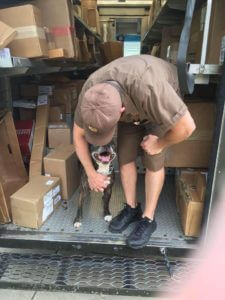
The relationship between dog and delivery person hasn’t always been one of tail wags and head pats, but a huge group of UPS drivers is out to change that. UPS Dogs is a Facebook page all about the thousands of friendships made between UPS drivers and neighborhood dogs. The page is liked by over 200,000 people, and every day they share photographic evidence that the best friendships are the ones you don’t always expect.

Happiness!!😍

Posted by UPS DOGS on Monday, October 16, 2017

Sean McCarren is the founder and moderator of the page, and he’s been working for UPS for 17 years. He loves his job, and the dogs he meets on his delivery routes are a big part of that. He got the idea to create a virtual community of dog-loving UPS drivers five years ago, and his idea quickly caught on.

Drivers from nearly every state in the country are now part of the group, and they all share pictures and videos of the dogs that make their jobs so great. UPS employee of 15 years Jeff Skender used the page to show off a long-time friend and her 15 puppies. He posted that he’s been meeting neighborhood dog Charlie for over a  year, and he never fails to bring her a treat. The last time he made a delivery to her part of town, she couldn’t wait to introduce him to her adorable family.

Viewer discretion advised. May cause cuteness overload. Jeff Skender out of the Springfield, Illinois center had the pleasure of a follow up visit with Charlie and her puppies, you may remember from a September 20th post. Jeff is happy to report that Charlie has gained back some of the weight she lost in the three weeks we last saw her and that momma and her puppies are all healthy and doing well.

Posted by UPS DOGS on Wednesday, October 11, 2017

Skender isn’t the only one that delivers dog treats along with packages. Many of the drivers admit to using their own money to keep their trucks stocked with tasty treats. The dogs have grown to recognize the trucks, and they usually make their appearance before the delivery driver even makes it out of their seat.

I'm the pied piper of canines

Posted by UPS DOGS on Friday, September 8, 2017

The social media page is all about celebrating a dog’s unconditional love. All the contributors have gone on to make life-long friendships with the dogs that can’t wait for delivery day. At the same time, the adorable pictures and heartwarming stories are changing people’s opinions about how dogs and delivery drivers feel about each other.

Featured Image Source: Facebook/UPS Dogs

What Does Lead Poisoning In Dogs Look Like?

Thanks to U.S. regulations regarding the control of lead, lead poisoning isn’t as common as it once was. However, old household materials like roofing materials and linoleum may still contain lead that could be toxic to you, your family and your pets. If you believe your dog has been exposed, make an appointment with your vet as soon as possible as lead poisoning is life-threatening.

In plumbism (lead poisoning) lead will take the place of the body’s essential calcium and zinc, causing a mineral depletion in the central nervous system and gastrointestinal tracts. Lead ingested by pregnant dogs will also affect unborn and nursing puppies. Common sources of lead include paint chips, paint dust, ceramic dishes, and lead-contaminated water.

Symptoms of Lead Poisoning in Dogs

If your pet is showing symptoms related to both the gastrointestinal tract and central nervous system, lead poisoning might be the cause of his distress. The following may be shown in a dog suffering from lead poisoning:

– Decreased appetite
– Abdominal pain
– Regurgitation
– Chomping (the jaws)
– Vomiting
– Increased thirst
– Increased urination
– Diarrhea
– Weakness
– Shortness of breath
– Lethargy
– Circling
– Anxiety
– Aggression
– Muscle
– Tremors
– Incoordination
– Deafness
– Blindness
– Seizures

Causes of Lead Poisoning in Dogs

Lead poisoning can be caused by the inhalation or ingestion of lead-containing substances. Consider any of the following as a cause of your dog’s distress if you have any of them in your home:

– Pre-1977 paint chips or paint dust
– Roofing materials
– Soldering supplies and materials
– Pre-1977 dishes
– Curtain/shower curtain weights
– Rug padding
– Linoleum/tile
– Wine bottle foil
– Lead fishing weights
– Lead gun pellets and shot
– Lead caulking
– Lead lubricants
– Lead pipes (and water from)
– Lead-contaminated water
– Auto batteries
– Leaded gasoline
– Used automobile oil

Diagnosis of Lead Poisoning in Dogs

There are no home treatments for lead poisoning, so if you think your dog has gotten into something containing lead, or is showing symptoms, get him to a vet immediately.

You vet will need a thorough history to determine the source of the poison. Let them know which symptoms your dog showed, when they started, and if you know of any sources of lead in your home or anywhere else your dog has been.

To determine the extent of the poisoning your vet will perform a complete physical exam. Anemia and increased white blood cell count are both seen in lead poisoning, as are abnormal red blood cell shapes, sizes and colors. A complete blood cell count, blood morphology, and blood biochemistry will detect those issues as well as determine other systemic issues.

Radiographs of the chest and abdomen will reveal lead objects in the stomach or intestines. Megaesophagus is often seen with lead poisoning and would be visible in an x-ray.

Identification of lead in the blood will give a definitive diagnosis of lead poisoning. Concentrations of more than 0.5ppm qualify as lead poisoning.

Treatment of Lead Poisoning in Dogs

The sooner your get your pet to the vet, the better the prognosis will be. Treating lead poisoning involves removing the source and binding any available lead in the body. Your pet will need your support and care during and after treatment. There are no home treatments for lead poisoning.

Lead-Source Removal

Gastric lavage removes the stomach contents and is especially effective if used within 1 – 2 hours of ingestion, a good reason to get your dog to the vet the moment you think anything is wrong. Water will be used to clean and rinse the stomach, and an enema may be used if the lower GI tract is thought to be involved. If large lead objects are found in the body, surgery may be needed.

Chelation Therapy

Chelation therapy is the binding of the lead particles to another substance. Once it’s bound, it no longer acts as a toxin and is excreted via the kidneys. Chelating agents are given orally and bind the lead found in the GI tract and bloodstream.

Medication

Vomiting and diarrhea may cause dehydration, so IV fluids may be given to address it. Valium might be administered should your dog have seizures.

The sooner you get your dog to the vet, the more successful treatment is likely to be. Dogs with low exposure levels who are treated quickly are usually released within 12-24 hours. Dogs with higher exposure levels without a known source of the poison and severe symptoms might need to be hospitalized a few days.


Recovery of Lead Poisoning in Dogs

After your dog has been stabilized and released, your vet may request a follow up appointment to make sure there are no more symptoms. Most dogs recover within 1 – 2 days if treated quickly after being exposed.

Dogs who had more severe symptoms may suffer permanent neurological damage. Dogs who have been exposed to lead over a long period of time may have lead reservoirs stored in their bones that can’t be treated with chelation therapy, and will need ongoing treatment.

Follow your vet’s aftercare instructions to the letter and monitor your pet to see if symptoms continue. Tell your vet about any decline in health as soon as you notice it.

Remove all suspected sources of lead from your home. If your pet has been exposed and you have children, it may be safest to have them examined for lead exposure as well.

The veterinarian will report the incident of lead poisoning to authorities as it is classified as a public health hazard.
Pet Food Ingredient Supplier Accused Of Human Trafficking & Slave Labor

Two federal class action lawsuits have been filed this month against Simmons Foods Inc. and Christian Alcoholics and Addicts in Recovery (CAAIR).

Simmons is a major poultry company that provides meat to companies like KFC, Walmart, PetSmart and Rachael Ray’s Nutrish pet food.

The suits allege that Simmons, along with CAAIR – a rural retreat in Oklahoma that provides addiction treatment and job training to men convicted of nonviolent crimes – have engaged in racketeering, human trafficking, and labor law violations.

CAAIR is a program that puts hundreds of men a year to work slaughtering chickens as an alternative to prison, but according to some of the men sent there, prison may be better.

“We felt like nobody had ever listened to us,” Plaintiff, Lucas Miller-Allen, told Reveal from The Center for Investigative Reporting in a phone interview. “When all of our drug courts send us there, it’s like you don’t exist. It feels like you’re forgotten, like you’re thrown away. Like slavery. You’re dreading waking up each day, working for free, for nothing.”

The lawsuits claim the program violates state and federal labor laws, which require employees to be paid at least minimum wage. They also allege that Janet Wilkerson, founder of CAAIR, violated the Racketeer Influenced and Corrupt Organizations Act by “conducting the affairs of CAAIR through a pattern of holding persons to involuntary servitude.” Simmons Foods is accused of conspiring with Wilkerson.

The complaint reads:

“Drug and alcohol treatment was never the intended purpose of CAAIR. CAAIR’s purpose was and is to provide income to itself and its founders while providing cheap labor to third-party agricultural interests affiliated with CAAIR.” It also states that CAAIR “operates a forced labor camp – enterprises long outlawed in Oklahoma, in the United States and, indeed, throughout the civilized world.”

According to Reveal News, the plaintiffs are seeking unpaid minimum wage and overtime pay, along with attorneys’ fees and other damages.

Wilkerson declined to comment directly on the lawsuit, but stated via email that CAAIR stands by the work they do and intends to “fully defend” themselves in court.


Simmons Foods did not respond to Reveal News’ requests for comment.


H/T to Reveal from The Center for Investigative Reporting

8 Things Your Puppy Wishes You Wouldn’t Do

If you are anything like me, you melt into a puddle of useless, blubbering mush in the presence of an adorable puppy. But if you want to be a paw-renting pro, you must resist the urge to give your new addition everything her fluffy little heart desires. Puppies need lots of love, but they also need rules, consistency, socialization and plenty of boundaries to make sure they grow into well-adjusted members of canine society.

While there is no perfect way to raise a puppy, here are 8 dog-rearing “faux-paws” your pup really hopes you will avoid!

1. Being wishy-washy with the rules.

If you are determined to raise a dog that walks well on a leash, you must be consistent with the no-tugging rule every time. If you are too tired to work on leash etiquette during your morning walk, don’t be surprised when your pup pulls in the evening. Dogs need a clear, consistent picture of what’s expected of them. If you don’t provide that, it won’t be your puppy that’s to blame when the rules get broken.

2. Correct her behavior too late.

If you didn’t see your puppy shred the sofa cushion, it didn’t happen. Scolding or punishing her while she is sleeping innocently on her bed does not teach her that shredding sofa cushions is bad. It teaches her that sleeping on her bed is bad. The same goes for rewards. If you don’t praise her or offer a treat the instant she does something desirable, the moment will pass and all she’ll learn from the experience is “free snacks!”

3. Rub her nose in it.

Puppies have accidents, just like kids. Even if you’ve just come in from the yard when the poop appears, “rubbing her nose in it” is never the answer. Your dog will only learn to fear you and potty time. However, if you catch her in the act, it’s okay to say one firm “No,” and then carry her outside to finish her business. Remember to give her lots of praise if she complies!

4. Leave her alone too long.

Before your pup came to live with you, chances are she spent 24/7 in a big, warm, noisy puppy pile with her mom and littermates. Any time spent alone is extremely distressing in the early weeks. Puppies need to gradually adjust to separation by spending only short periods of time alone.

5. Fail to socialize her with dogs and humans.

Much like young children, puppies need to socialize early and often in order to develop healthy interactive skills. Raising a dog in isolation can lead to disastrous behavioral problems that are very difficult to rehabilitate.

6. Overdo it on the treats.

Your puppy may think it’s great when you overfeed her, but she is not aware of the long-term consequences. Dogs enjoy being active, and excess weight can make exercise painful or even dangerous. If she could talk, your puppy would tell you that food is not love. She’d rather have verbal praise or a pat on the head if it means more healthy years with you.

7. Neglect her puppy wellness visits.

Besides offering a great opportunity to socialize, puppy wellness visits with your vet set the tone for your best friend’s lifelong health. This is the time that she is most susceptible to viruses and parasites, so routine care is important. Puppies also age faster during their first year of life than at any other time – the equivalent of 15 years! Those recommended vet visits are designed to catch issues – like heart murmurs and hip dysplasia – that rapidly-growing pups may develop.

8. Treat her like a tiny human instead of a tiny dog.

It’s perfectly acceptable to love your new puppy as much as you would a child, as long as you realize that she is indeed, a dog. This distinction is vital because dogs have their own individual set of manners and expectations that do not match up to human standards. For example, you may force your child to “be polite” and greet guests, but doing the same with your pup could increase anxiety or even lead to a bite.

Magical Healing

Houndstooth Tales and Tails - The hilarity of everyday life

My husband and I were having a conversation earlier this week, and we were discussing the possibility that Bunny may have lost a little of her hearing in her advanced years.  We have both had times when we came home and she didn’t appear at the back door to greet us.  We have Poochie Bells [...]

The post Magical Healing appeared first on Tales and Tails.